Associate of Applied Science in Health Information Technology
C.P. – Certificate of phlebotomy demonstrates a person’s competence in drawing blood and handling specimens. While not always required by all states/regions, it’s highly recommended and often preferred by health-service providers. Certification programs vary in length and content, but include classroom instruction and hands-on clinical experience. Upon completion of a program, individuals can pursue national certification through organizations like the National Health Career Association (NHA).
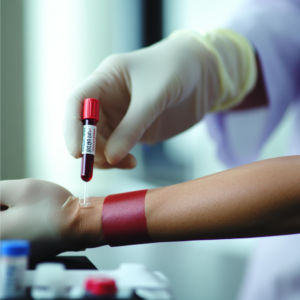
Key aspects of phlebotomy certification:
Demonstrates Competence: Certification shows health-service providers that the individual has the necessary skills and knowledge to perform phlebotomy safely and effectively.
Career Advancement: Certified phlebotomists often have better job prospects.
National Certification: Organizations like the NHA offer certification exams, and passing these exams is often a requirement for employment.
Program Options: Phlebotomy training programs can be taken together with other programs online.
Continuing Education: Many certifications require periodic renewal, often involving continuing education or re-examination
Pharmacy Technician Practice
| Course | Credit Hours |
| Introduction to Phlebotomy | 2 |
| Medical Terminology | 2 |
| Anatomy & Physiology for Phlebotomy | 2 |
| Phlebotomy Procedures | 3 |
| Specimen Handling & Safety | 2 |
| Clinical Practicum | 3 |
| ESL for Medical Professionals | 2 |